
Sewer Line Backup or Broken Lateral in Benson? Who Owns What and What Comes Next
Sewage in the lowest tub or a floor drain that gurgles when you run laundry means the line is blocked or broken. The dispatch line sends your call to one of our plumbers in the Benson area, who scopes the line before recommending cleaning, a repair or a replacement.
Call (520) 340-7175 See backup answersOpen all night and all weekend
Sewage backup now: what to stop and who to call
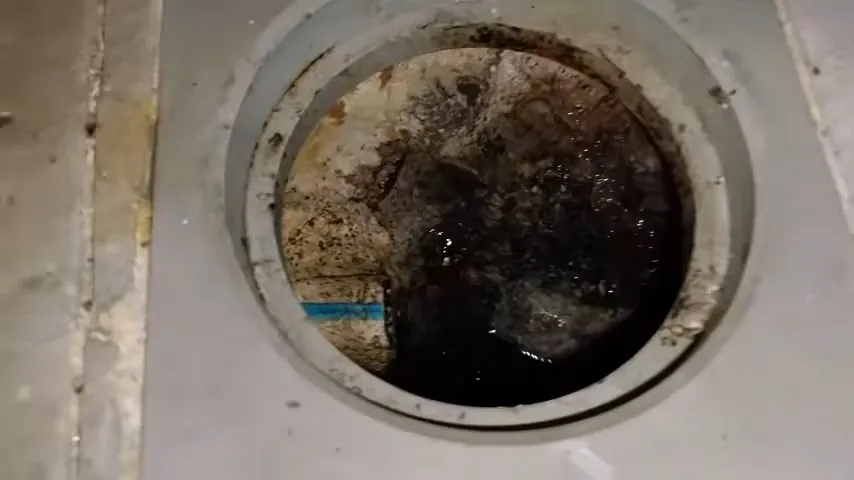
A backup that brings water into the lowest tub, shower or floor drain means the line is blocked or broken somewhere between the house and the main. The first minutes matter because every flush and every load of laundry adds to what is coming back.
- Stop using water: no flushing, laundry, dishwasher, showers or sinks.
- Keep people and pets out of the affected room and keep children away from the water.
- Open windows if the smell is strong, and do not run a vacuum or electrical equipment through standing sewage.
- Phone (520) 340-7175 and tell the dispatcher which fixtures are backing up and whether the problem started suddenly.
- Take photos for your records before cleanup starts.
The lateral: what belongs to the owner and what belongs to the City
The sewer lateral is the line between the building and the sewer main. Inside Benson city limits, the City's Wastewater Department makes the tap into the main, and the property owner hires a licensed contractor to expose the main and install the yard line. That means the main is the City's, the lateral is yours, and a repair on your side is a plumber's job. A plumber can tell which side a blockage or break is on with a camera.
| Part of the system | Responsibility | What the reader does |
|---|---|---|
| Sewer main in the street or alley | The City wastewater crew | Report it to the City when the camera puts the fault in the main |
| Tap where the lateral joins the main | The City makes the tap | Ask the City before any work near the connection |
| Lateral from the tap to the house | The owner, who hires a licensed contractor | Have a plumber scope it and name the damage |
| Drains and cleanouts inside the property | The property owner | Cleaning and repair by a plumber |
Source: City of Benson meter and tap form for water, gas and sewer, checked 2026-10-30. Properties outside city sewer use septic or another system; see the septic note below.
Camera inspection: what the scope shows and what to ask for
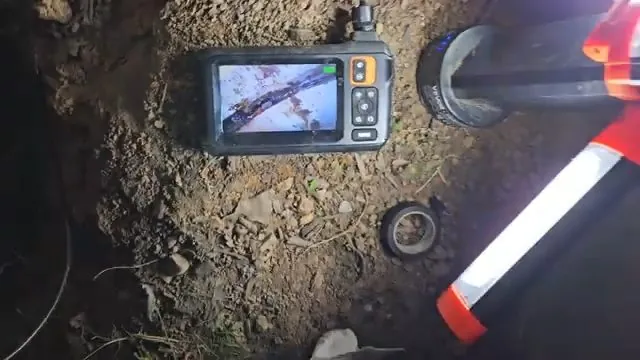
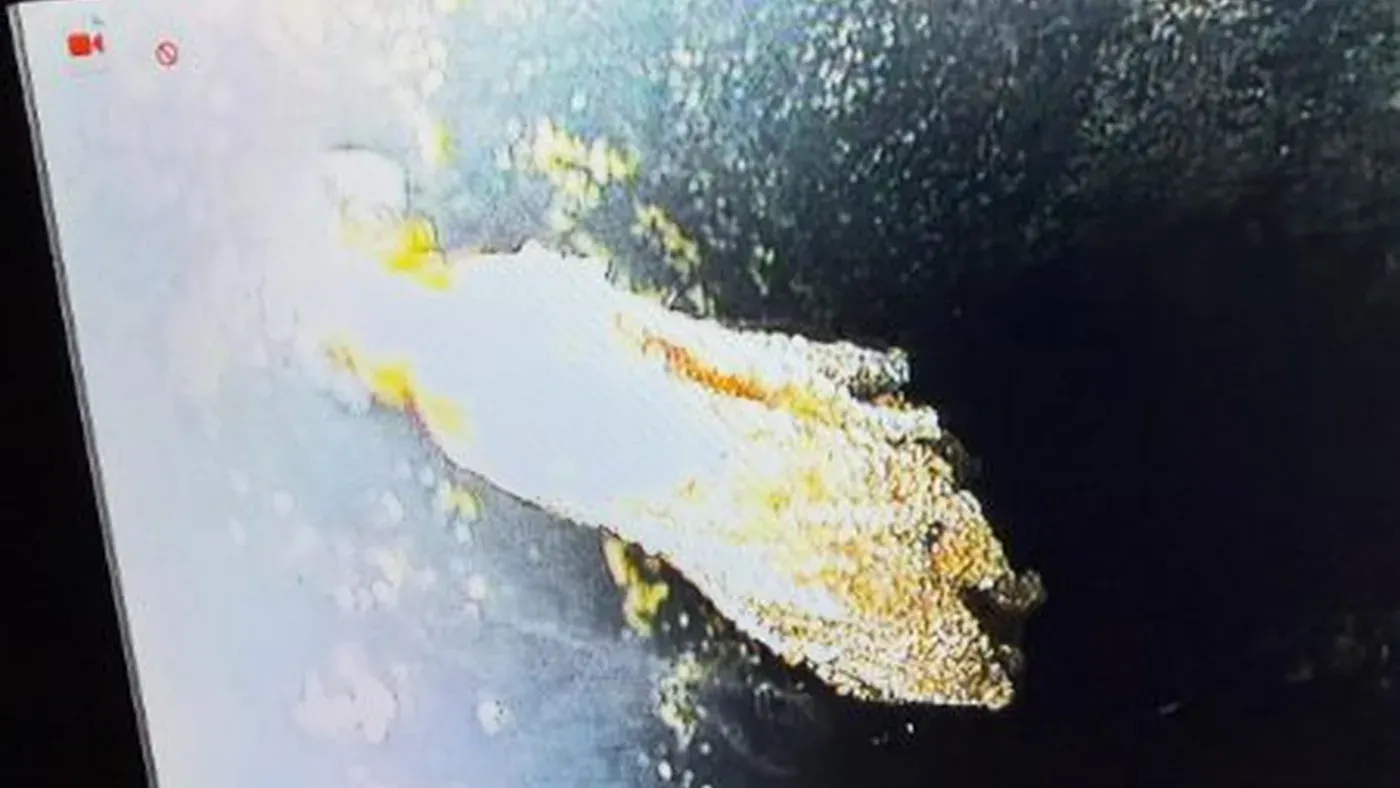
A camera on a flexible cable travels through the cleanout and shows the line on a screen. It finds roots, cracks, offset joints, bellies where water pools, collapsed sections and objects stuck in the pipe. A plumber who records the footage can show you the exact spot and its distance from the cleanout. That evidence is what decides between cleaning, a repair and a replacement.
- Ask for the distance from the cleanout to each problem and the pipe material at that point.
- Ask whether the camera reached the City main, since a scope that stops short leaves the last section unchecked.
- Ask for a copy of the recording or screenshots.
- For a home purchase, a lateral inspection before closing shows the line condition before the deal is final.
Sewer cleaning and rooter service
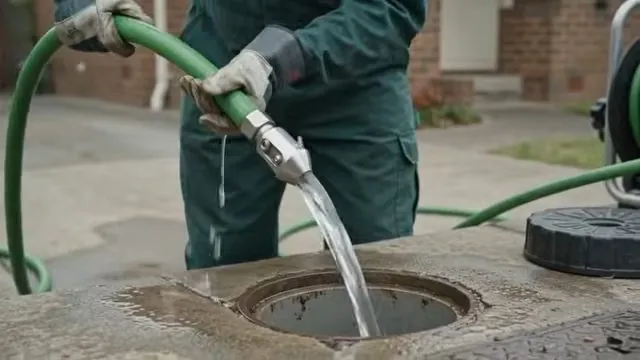
When a camera shows a line that is intact but blocked, cleaning restores flow. A cutting cable clears roots and paper, and hydro jetting scours the pipe wall; snaking and hydro jetting are covered in more detail on the drain cleaning page. Cleaning does not repair a broken line. If the same stoppage returns within a short time, the camera findings should be revisited and a repair discussed.
Sewer repair: fixing a failed section
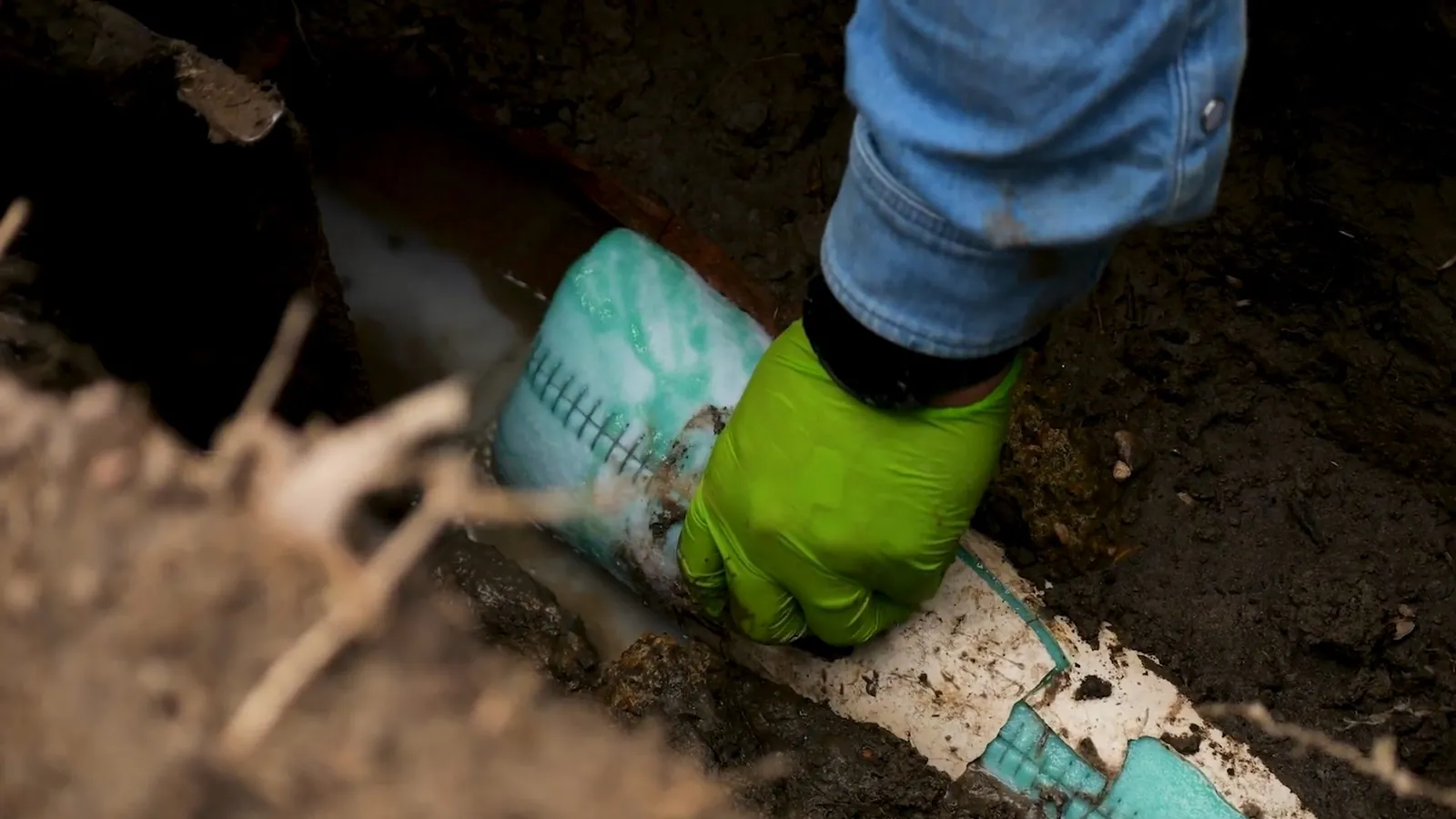
A point repair replaces only the damaged section, which suits one break, an offset joint or a short collapsed segment. The plumber exposes the pipe, cuts out the damaged piece and connects new pipe with proper bedding and slope. The method works when the rest of the line is sound; if the camera shows several problems along the run, the repair question changes.
Sewer replacement: when the line is beyond patching
Replacement means installing a new lateral. It is the right choice when the pipe is cracked, collapsed or offset along much of its length, when the material has failed or when repeated repairs leave the line unreliable. A replacement is a larger project, so get the scope in writing, including where it starts and ends, the material, the slope and what surface restoration is included.
Trenchless repair: lining and pipe bursting
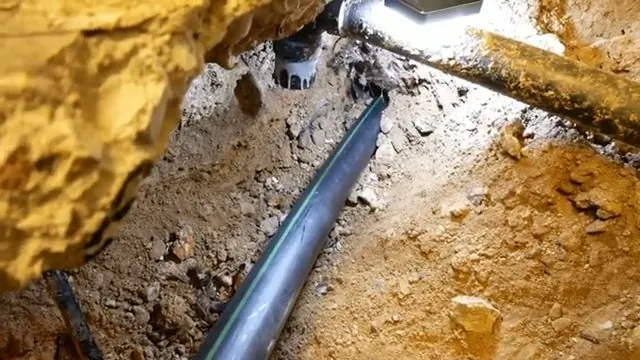
Trenchless methods avoid digging a continuous trench. The two common types are lining, which cures a new pipe inside the old one, and pipe bursting, which pulls a new pipe through while breaking the old one apart. They suit lines that run under driveways, walls or landscaping that would be costly to disturb.
| Approach | How it works | Suits when |
|---|---|---|
| Open trench replacement | Dig along the line, remove the old pipe, lay new pipe | The line is accessible or has severe bellies and offsets |
| Lining | A resin-saturated liner is cured inside the existing pipe | The pipe is continuous with limited damage and the size suits a liner |
| Pipe bursting | A new pipe is pulled through as the old one is split | The old pipe is badly damaged but the path is straight |
Ask which method the plumber recommends and why, and whether the camera findings fit it. A line with a severe belly or a collapse may not suit lining.
Pipe materials, cleanouts and smell
Cast iron, clay and Orangeburg
Older lines may be cast iron, clay or Orangeburg, a pipe made from layered fiber and tar. Each fails in a different way: cast iron corrodes, clay cracks at joints and lets roots in, and Orangeburg softens and deforms. The camera and the pipe material together shape the repair; the plumber should name the material seen on camera rather than guess from the age of the house.
Cleanouts
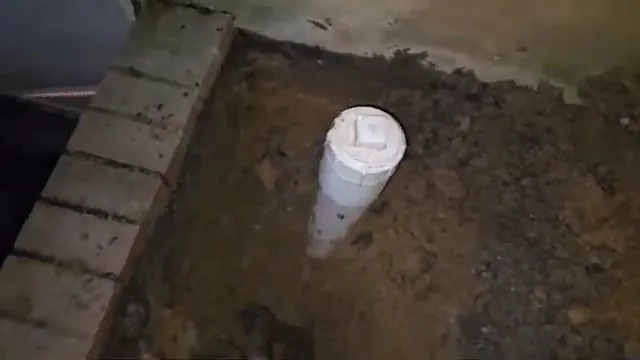
A cleanout is a capped pipe that gives access to the line. Find yours before there is a problem: it is often near the house wall or at the property line. If none exists, ask the plumber to install one when the line is opened, because it makes later cleaning and inspections far easier. Keep it clear of landscaping and covers.
Sewer smell
A sewer smell in the yard or in the house can come from a dry trap, a cracked line, a failed cleanout cap or a vent problem. A smell with slow drains suggests a partial blockage or a break, and the camera is the way to find it.
Before digging: Arizona 811, permits and septic
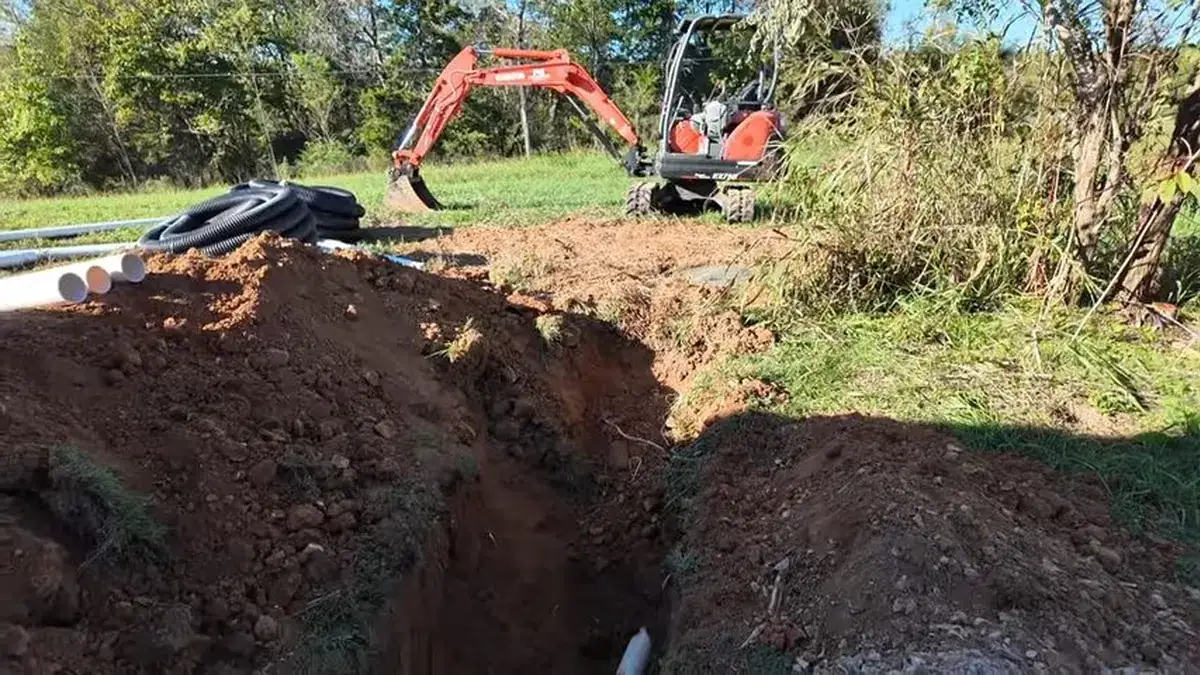
Any excavation for a sewer repair needs a prior Arizona 811 notice. Published guidance gives two full working days as the minimum lead time, so plan the dig around it and ask who files the notice. Source: Arizona 811 rules published by the state utility regulator, checked 2026-10-30. The same notice applies when a buried water line or a gas line is nearby. For permits and inspection, the City's service forms point customers to the Building Department, so ask whether the repair needs one: (520) 720-6328.
A home not connected to city sewer typically runs a septic tank, and Cochise County Environmental Health regulates those systems (520-586-8206); repairs go to a septic contractor. Source: Arizona Extension list of county septic offices, checked 2026-10-30. Larger buildings, including a business building, can add grease interceptors and other rules, so confirm the scope with the plumber.
Questions about sewer backups and repairs
How is a sewer lateral replaced without trenching?
Two trenchless methods exist. Lining cures a new pipe inside the old one, and pipe bursting pulls a new pipe through while splitting the old pipe. Both need access points at each end. A camera inspection first shows whether the line is suitable.
What does a sewer line repair involve?
The plumber scopes the line to find the problem, reports the location and pipe material, and recommends a point repair, lining or replacement. If digging is needed, notice goes to Arizona 811 first. After the repair, a second camera pass confirms the line is clear.
Who do I call for a sewer backup?
Call a plumber at once; the dispatcher on (520) 340-7175 assigns one of our plumbers. Stop using water while you wait. If the camera shows the blockage is in the City main, the City handles that part.
Where is my sewer cleanout, and why does it matter?
It is usually a capped pipe near the house wall or at the property line. It gives a plumber access for cleaning and a camera without removing a toilet. If your property has none, ask for one to be installed when the line is opened.
Do I need a main sewer line cleaning, and how does it differ from a repair?
Cleaning clears a blockage and leaves the pipe as it is, so it suits a line that is intact. A repair fixes damage. If the camera shows a crack, offset or collapse, cleaning alone will not hold.
Can I get a sewer lateral inspection before buying a home?
Yes. A camera inspection of the lateral before closing shows its condition and any damage, which gives you information for the negotiation. Ask for the recording and the distances to each problem.
Where a sewer problem leads next
Sewage coming back up a drain?
Stop all water use, then call right away. The dispatcher hands the job to one of our plumbers who works in Benson, at any hour.
Call (520) 340-7175 Contact details