
Hidden Water Leak Detection for Benson Homes and High Water Bills
A water bill that climbs with no change in how the household uses water, a damp patch on a wall or a wet strip in the yard all point to a leak you cannot see yet. When you call, the dispatcher passes the job along to a plumber on our team who works Benson, and the first task is locating the escaping water before anything is cut open.
Call (520) 340-7175 Jump to leak questionsAnswered day and night, holidays included
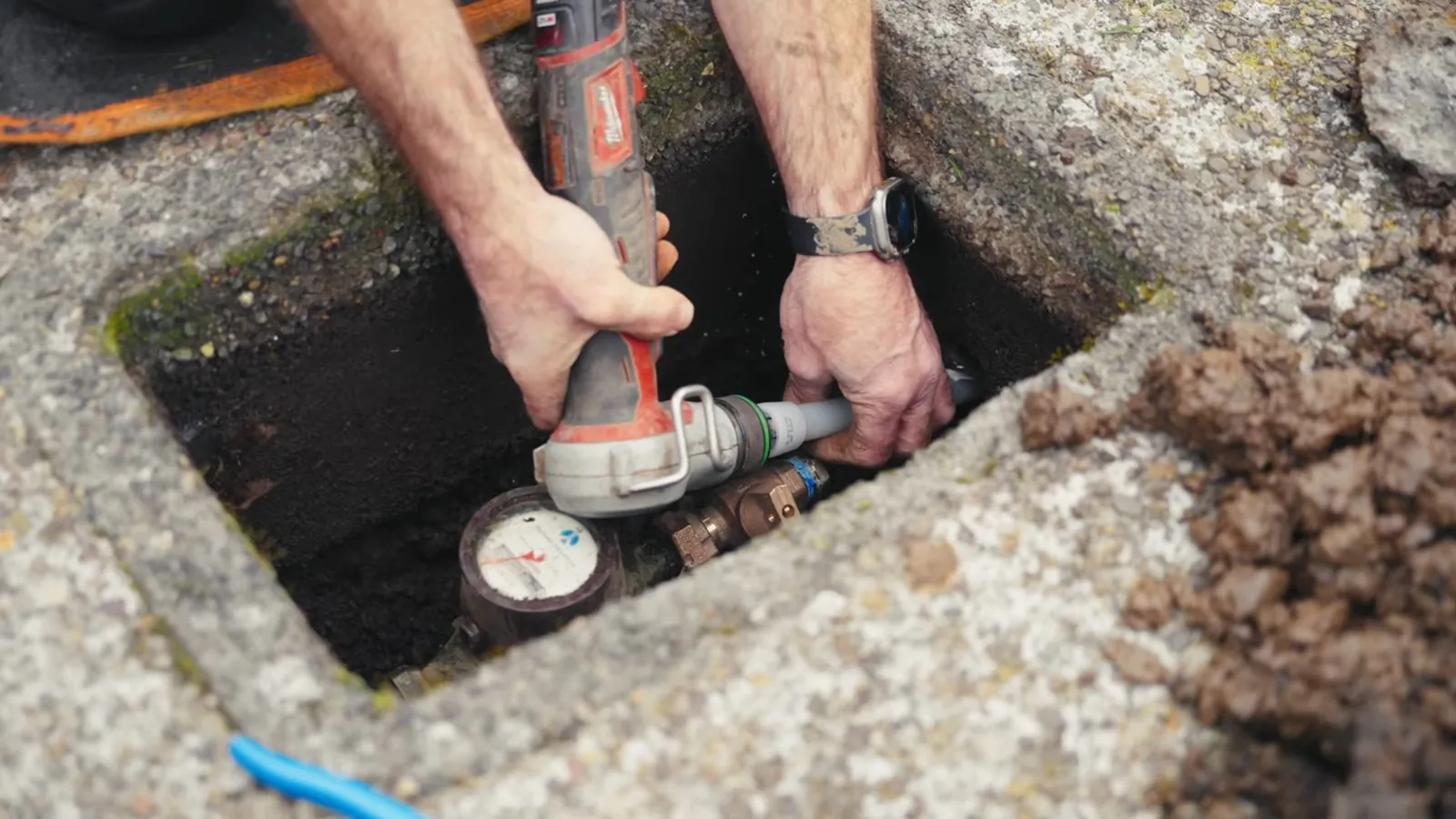
Is it a leak? Check the water meter first
A high water bill is the usual first clue, but a bill can rise for reasons that have nothing to do with a leak: a guest stays for a month, the irrigation schedule changes, or a toilet flapper starts to pass water. The meter settles the question in about an hour, and the test needs nothing but patience. Here is the order that gives a clean answer.
- Stop every use of water inside and outside the house. That means the dishwasher, washing machine, ice maker cycle, softener regeneration and any irrigation timer.
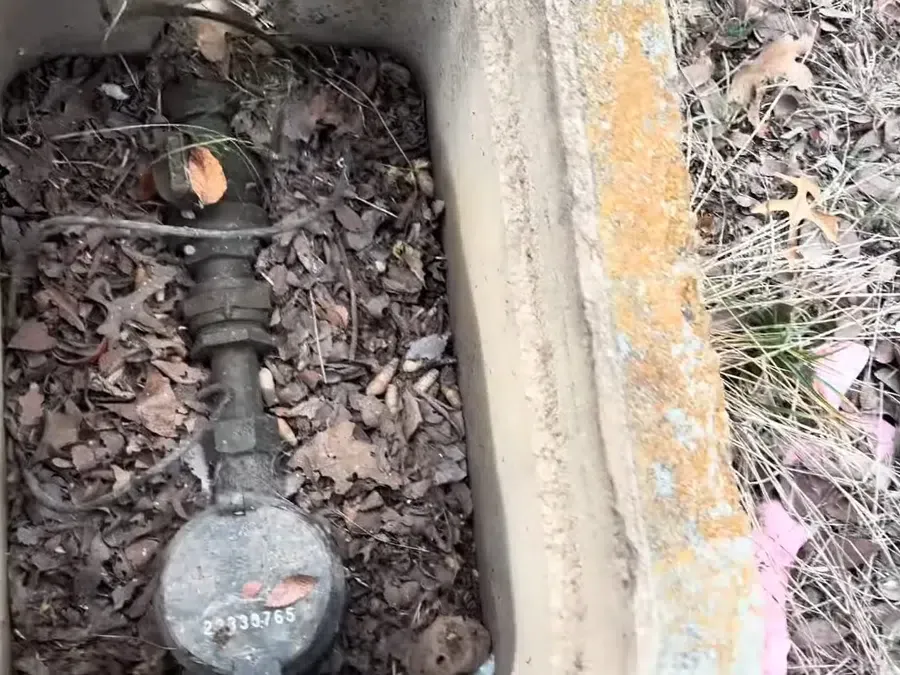
- Find the meter box near the edge of the lot and lift the lid with gloves on. Insects and spiders shelter in meter boxes, so use a stick or tool to move debris rather than your hand.
- Look at the small leak indicator on the meter face, usually a triangle or a tiny dial. If it keeps turning with every fixture off, water is moving somewhere.
- Write down the full reading, wait 30 to 60 minutes without using any water, and read it again. A changed number confirms the leak.
- Close the home main shutoff valve, then check the meter again. If it stops, the leak is on the house side of the valve. If it keeps moving, the water is escaping between the meter and the valve.
The meter test shows that water is escaping. It does not show where, and that is the job of leak detection.
Which side of the meter is the leak on?
The answer decides who fixes it. Inside Benson city limits, City of Benson Public Works installs the water meter, and the line from the meter to the building belongs to the property owner. A leak at the meter itself is a call to the City. A leak anywhere past the meter is a plumbing job at the owner's expense, which includes the buried yard line most people never see.
| Segment | Who is responsible | What the reader does |
|---|---|---|
| Water meter and meter box | The City installs the meter | Report a leaking or damaged meter or box to the City |
| Pipe between the meter and the structure | The property owner | Hire a plumber to locate and repair; see repairing a leaking yard line |
| Piping inside the house and under the floor | The property owner | Detection first, then repair of the confirmed section |
Source: City of Benson new meter and tap request form, checked 2026-10-30. Outside city limits the water provider differs; read the water bill to find it.
Ask the plumber to record the position of any leak relative to the meter and to the home shutoff valve. That single note settles most arguments about responsibility and tells the next contractor exactly where to start.
Hidden leak or fixture leak: how to tell them apart
Many suspected leaks turn out to be a fixture that is easy to see. Check these before paying for equipment, and write down what you find.
Fixture leaks you can see
- A toilet that runs or refills on its own: add a few drops of food coloring to the tank, wait 15 minutes without flushing, and color in the bowl points to a worn flapper.
- Dripping faucets and showerheads, which waste more water than they look like they do over a month.
- Dampness around the base of a toilet or under a sink supply line.
Hidden leaks that need locating
- A meter that keeps moving with every fixture closed.
- The sound of running water in a quiet house.
- A warm spot on a floor, a stain that grows, or bubbling paint on a wall or ceiling.
- Soft or unusually green ground along the line between the meter and the house.
When the problem is a fixture, a repair of a running toilet or dripping faucet is usually a short visit. When the signs point to hidden pipe, the next section explains how a plumber finds it without opening floors and walls at random.
How a plumber locates a hidden leak
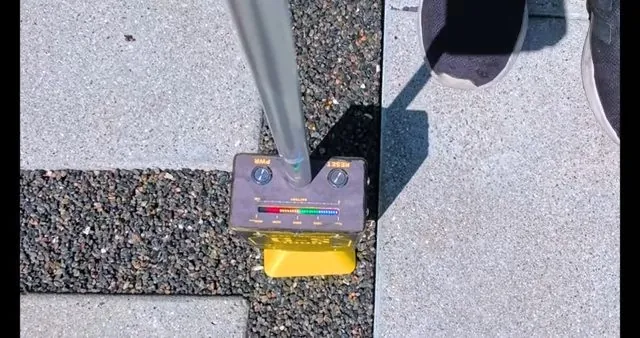
Leak detection is a process of elimination. The plumber isolates sections of the system so each one can be tested alone, then uses equipment to pin down the position inside the section that fails. Methods differ in what they find and where they stop being reliable.
| Method | What it finds | Where it falls short |
|---|---|---|
| Pressure or hydrostatic test | Whether a section of supply pipe holds pressure once isolated | Shows a loss in the section, not the exact spot |
| Acoustic listening | The sound of water escaping from pressurized pipe | Plastic pipe and background noise can mask the sound |
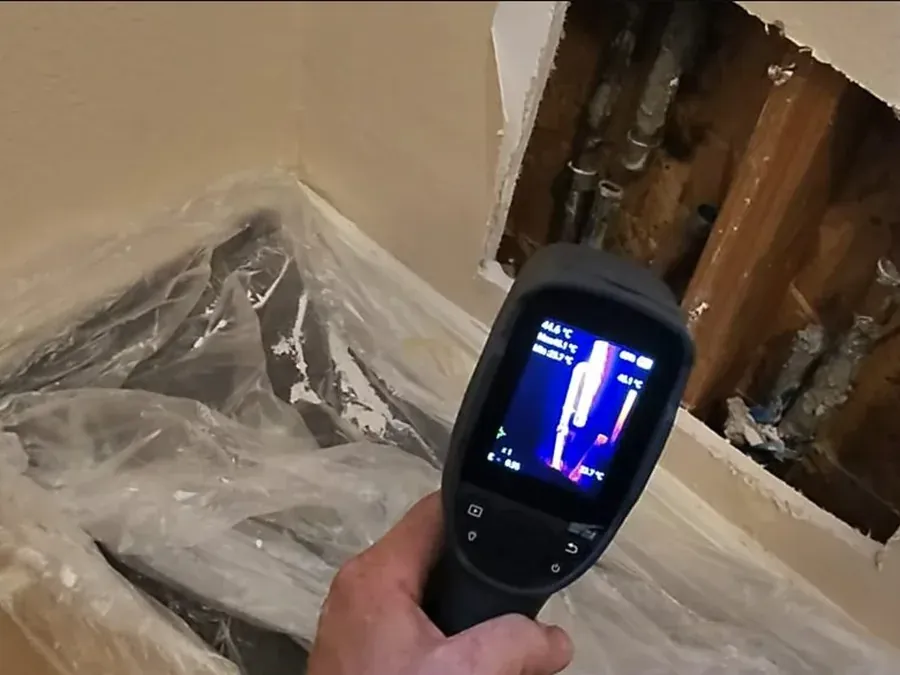
| Thermal imaging | Temperature differences from hot line leaks or wet materials | Needs a temperature contrast and does not see through thick concrete |
| Moisture meter | Dampness in drywall, wood and flooring | Marks wet material, which may sit away from the leak |
| Camera inspection | The inside of drain and sewer lines | Does not look at pressurized supply pipe |
Where the house has a crawlspace or a raised floor, pipes can be checked from below, which often avoids cutting anything. Whether yours does depends on how the house was built, so the plumber confirms access on arrival. Irrigation is another frequent hidden loss: a sprinkler valve that weeps keeps the meter moving, so closing the irrigation supply and repeating the meter test separates yard watering from house plumbing.
Leaks in walls and ceilings
A stain that spreads, paint that bubbles or a musty smell near a bathroom or kitchen wall points to a leak inside the structure. Shut off the water to the suspected fixture if it has its own stop valve, take photos with the date, and mark the edge of the stain with a pencil so growth is easy to see. drying and mold testing after a leak becomes the next question once the source is stopped, because wet drywall and insulation hold moisture long after the pipe is fixed.
Leak repair once the source is found
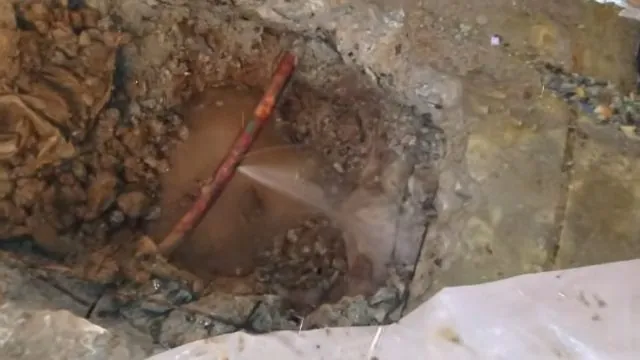
Repair follows what detection proves. Accessible pipe can often be repaired at the leak or a short section replaced. Pipe buried under a yard may need a trench, and a leak under a slab calls for different choices, covered on the page about a leak under a concrete floor. Several leaks in the same system, or leaks in pipe that is corroded along its length, raise the question of replacing an aging supply system rather than another patch.
Pipe condition check
A pipe condition check looks at pipe material, visible corrosion, fittings, shutoff valves and pressure at the fixtures. It is useful before buying a home or after a second leak in the same area, and it gives the owner a written picture of what is likely to fail next.
Before anyone digs
Arizona law requires notice to Arizona 811 before excavating. Utilities mark buried lines, and the widely published lead time is at least two full working days. Ask the plumber who places the notice and when digging can start. Source: Arizona Corporation Commission, Underground Facilities Law, checked 2026-10-30.
What to ask the plumber to write down
A leak that is located but not documented is hard to defend later with a landlord, an insurer or the next contractor. Ask for these items on the invoice or in a message.
- The location of the leak relative to the meter and to the home shutoff valve.
- The pipe type and approximate depth if the line is buried.
- The pressure reading before and after the repair, and which section was isolated to test it.
- Whether the repair needed digging, and which parts of the system were not tested.
- Any other pipe in poor condition that the plumber saw during the visit.
Call now or keep watching the meter?
Close the main shutoff valve and call right away if water is running visibly, spreading across a floor or through a ceiling, or the meter is spinning fast with everything off. A slow drip with a steady, small meter change can wait for a scheduled visit; keep a log of readings in the meantime.
Questions about finding a leak
How do I check for a leak when I rent and my water usage is high?
Run the meter test with every fixture off, write down the readings and the time, and send them to the landlord or property manager in writing. In a rental the owner decides on repairs, so report the high reading and ask who should arrange leak detection. If the owner asks you to arrange it, call the dispatch line and describe what the meter shows.
Can a leak under the house or in a crawlspace be found without tearing things up?
Often, yes. Where the home has a crawlspace or raised floor, a plumber can look at the pipes from below, listen for escaping water and test isolated sections. If the pipes sit in a slab or inside finished walls, equipment narrows the location first so cutting is limited to one spot. Access depends on how the house was built, which the plumber checks on site.
What happens during a leak detection visit?
The plumber asks what you have seen, checks the meter, isolates sections of the system and tests them with pressure, sound or thermal equipment. The result should be a location, the pipe affected and the repair options. Digging or opening a wall comes after the leak is pinned down, not before.
Can a bathroom leak be repaired without replacing the whole fixture?
Often. Leaks at a supply line, a shower valve, a drain connection or a toilet seal can be repaired without replacing the fixture. If water appears on a ceiling below, the plumber finds whether it is a supply or a drain leak before choosing the repair, because the two look similar from below.
More plumbing help for Benson water problems
A leak is costing you water right now?
Close the main shutoff if water is visible, then call and tell the dispatcher what the meter is doing. The job goes to one of our plumbers working in Benson.
Call (520) 340-7175 Contact details