
Garbage Disposal Humming, Jammed or Leaking? What a Plumber Fixes in Benson
A disposal that hums without turning, a sink that will not drain and a puddle under the cabinet are three different problems that share a cabinet. Ring the dispatch line and one of our plumbers covering Benson sorts the jam from the leak from the clog.
Call (520) 340-7175 Disposal answersPhones staffed every day
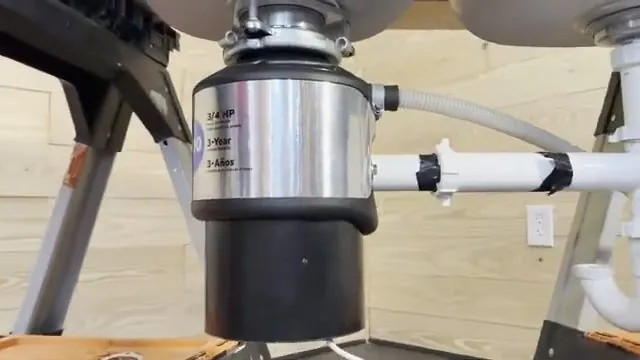
Humming, jammed or stuck: what the sound tells you
A disposal that hums but does not spin is jammed, and the motor is trying to turn something it cannot move. A disposal that is silent and does nothing has lost power, tripped its reset or failed electrically. A disposal that runs but drains slowly has a clog in the drain beyond it. Each of these is a different job, and only one involves the motor.
| What happens | Likely cause | What a plumber does |
|---|---|---|
| Humming, shaft will not turn | A jam: bone, fruit pit, utensil or a stuck flywheel | Frees the flywheel and removes the object |
| No sound and no movement | Reset button tripped, power switch off or motor failed | Checks the reset and power; replaces the unit if the motor is dead |
| Runs but the sink drains slowly or backs up | Clog in the trap or the drain line | Clears the trap and the line; see a clog beyond the disposal |
| Water under the sink when it runs | Loose flange, failed gasket, cracked housing or a dishwasher hose | Finds the leak point; replaces the part or the unit |
| Grinding noise or rattle | A foreign object in the chamber or worn parts | Removes the object; replaces the unit if parts are worn |
What to try, and what to leave alone
Three checks cost nothing. First, switch the unit off and look for a red or black reset button on the bottom; press it. Second, use the hex socket in the center of the bottom, if the unit has one, to turn the flywheel back and forth with a hex key until it moves. Third, run cold water and look for something stuck at the baffle. If none of this frees it, stop. Forcing a jammed disposal can burn out the motor.
What not to put down it
- Grease, oil and fat, which coat the drain and harden farther down the line.
- Fibrous peels, celery and corn husks, which wrap around the shredder.
- Coffee grounds and eggshells in quantity, which pack into sludge.
- Pasta, rice and bread, which swell with water.
- Bones, fruit pits and anything hard that the unit cannot grind.
- Non-food items, including utensils, bottle caps and sponges.
Disposal repair
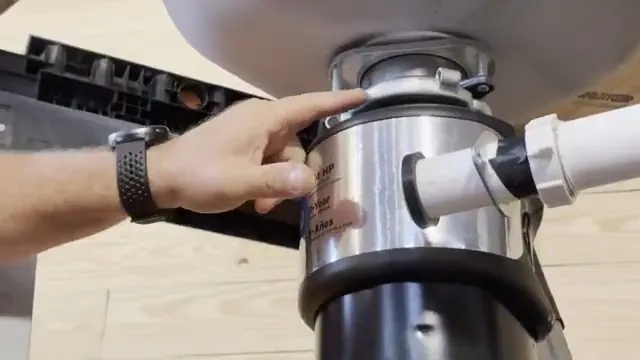
A disposal repair covers freeing a jam, replacing a worn gasket or flange seal, fixing a hose connection and re-seating the unit on its mount. The electrical side, including a failed switch or a supply cord, is a separate trade; the plumber handles the drain and the connection, and an electrician handles the wiring. Say on the call whether the unit is hard-wired or plugged in, since that changes who is needed.
A leaking disposal
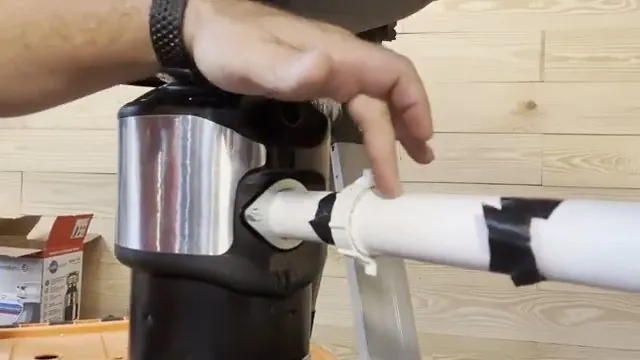
Finding where a disposal leaks takes patience. Dry everything, put a paper towel under each joint, run water and watch. A leak at the sink flange means the mounting needs to be reset with new putty or a gasket. A leak at the side points to a hose or a cracked housing, and a leak from the bottom means the seals inside have failed and the unit is at the end of its life. See tracing water under the cabinet if the source stays unclear.
Replacing a garbage disposal
Replacement suits a unit with a failed motor, a leaking housing or repeated jams. The plumber disconnects the drain, the dishwasher hose and the power, removes the old unit from its mount, installs a new one and tests it for leaks. Ask whether the new unit fits the existing mount or needs a new one, what horsepower and noise level suits the household and whether a new power cord or switch is part of the job.
The dishwasher connection
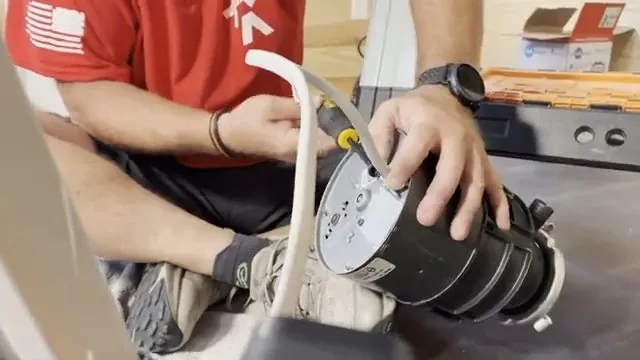
The dishwasher drain hose connects to the disposal inlet or to the drain above it. When a new disposal is installed, the knockout plug on the dishwasher inlet has to be removed, or the dishwasher will not drain. A dishwasher that leaves standing water after a disposal replacement usually means that plug is still in place.
Clogged or backed-up sinks
When water backs up into the other basin of a double sink, the blockage is past the disposal. The trap and the drain line are the places to look, and a clog beyond the disposal describes how a plumber clears it. A faucet that sputters or runs slowly at a sink with a disposal is a different problem, covered under sink faucets and supply lines.
Questions about garbage disposals
Do I need a plumber for garbage disposal repair?
For a jam, a leak or a drain connection, yes, a plumber can handle it. For a motor that is dead because of a wiring or switch fault, an electrician may be needed. Tell the dispatcher what you hear and see.
Why is my garbage disposal humming but not spinning?
Humming means the motor has power but the flywheel is stuck. Turn the unit off, use a hex key in the bottom socket to loosen it, and press the reset. If it still will not turn, stop and call, because forcing it can burn out the motor.
My sink is clogged and backed up with a disposal. What should I do?
Turn the disposal off and stop running water. If both basins hold water, the blockage is in the drain line past the disposal, and a plumber clears it with a snake. If water drains but slowly, the trap may be packed with debris.
Is it worth repairing a garbage disposal or should I replace it?
A jam or a loose connection is worth repairing. A dead motor, a cracked housing or a leak from the bottom means replacement. The plumber tells you which applies after looking at it.
Sink problems that sit near a disposal
Disposal humming, jammed or dripping?
Switch the unit off at the wall and call. Our dispatcher assigns a plumber to the sink side of the job, and any wiring question is flagged up front.
Call (520) 340-7175 Contact details