
Thirteen Plumbing Questions Benson Homeowners Ask Before They Call
Who owns which pipe, whether it can wait until morning and what a camera inspection is for: these are the questions that come up before almost every service call, answered in plain terms.
Call (520) 340-7175Questions answered at any hour
Short answers before you call
These thirteen questions come up on almost every call, whatever the job. Each answer is short and points to the page with more detail: the services list for the fifteen service pages, the service areas page for towns and ZIP codes, the cost factors page for what changes a price, and water damage after a leak if water has already soaked the building.
Hiring, responsibility and who does what
What does licensed and insured mean for me as a homeowner?
It means the plumber is meant to hold a state contractor license and carry insurance, so a mistake or an accident on your property is not left entirely with you. No license numbers are published on this site. Ask for the license details when you phone and they are supplied on request, ahead of any work. The plumbers behind the dispatch line are independent and answer for their own work.
Who is responsible for which pipe: the homeowner, the utility or an HOA?
The City of Benson sets the meter and cuts the sewer tap, so the owner holds the pipe on the building side of each: the water pipe beyond the meter and the sewer lateral to the main. In an HOA or condo, the governing documents decide who maintains shared lines, so ask the association before you pay for a repair. Outside the city, the water bill names your provider. Details are on the water line and sewer line pages.
What jobs fall outside plumbing, such as HVAC, electrical or well pumps?
Heating and cooling, electrical work and well pump or well drilling belong to other trades, and a plumber will tell you when a problem sits on that side of the line.
Rental properties: who calls in, the tenant, the landlord or the property manager?
Tell the landlord or property manager first and put it in writing; repairs in a rented unit are the owner's call. If water is spreading, close the nearest shutoff and take photos. Should the owner ask you to book emergency service, or stay silent, phone the dispatch line, explain the situation and say who approved the work. Keep copies of your messages and photos.
Deciding what to fix and what to ask
How do I choose between a repair and a replacement?
Ask four things: how old the part is, whether the failure is isolated or one of several, how easily replacement parts can be found and what else would fail next. A single failed part on equipment in good shape is usually worth repairing. Several failures in a short time, or damage to a tank or pipe wall, tends to point toward replacement. Ask the plumber to put both options in writing so you can compare scope, not only price.
When is a camera inspection worth doing?
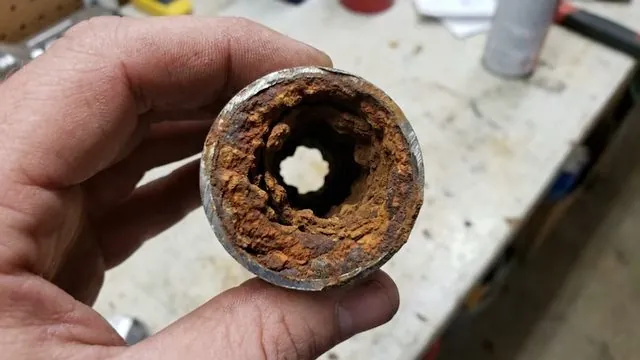
A camera inspection is worth doing when a drain keeps clogging, when more than one fixture backs up, before buying a house with older sewer lines and before paying for a repair that depends on knowing what is in the pipe. Steps that make it useful: ask where the camera started and stopped, ask for the distance to each problem, and ask for a copy of the recording. Note that it shows the condition of a drain line, not of pressurized supply pipe.
What plumbing problems come up when buying or selling a house?
Buyers and sellers most often run into the age of the water heater, a sewer line that has never been scoped, slow drains, leaks under sinks and a stuck main shutoff valve. Do now: meter test, a camera check of the sewer lateral and a look at the heater label. Can wait: cosmetic fixture swaps. Ask for repair records and photographs so both sides see the same facts before closing.
What do maintenance visits and plans usually include?
Typical items are testing shutoff valves, checking supply lines and fixtures for slow leaks, flushing a tank water heater, checking the relief valve, cleaning aerators and looking at visible drain lines. Whether a plumber offers a plan, and what it covers, is something to ask and get in writing. A plan is an agreement with the plumber who performs it, not with the dispatch line.
Urgency, timing and the area we cover
Can it wait until morning? How do I judge urgency?
Picture a pipe that is dripping onto a cabinet floor at ten at night. If you can close its stop valve, put a pan under the drip and the meter stops moving, it can usually wait for a morning visit. If water is spraying, spreading across a floor, backing up from a drain or the home smells of gas, it cannot wait. Shut the main valve, stop all use of water and phone; for gas, get out first and call 911.
What affects how soon a plumber can come?
Four things matter most: demand at the time you call, how far the address is from where the plumber is, whether the plumber needs a part that is not on the truck and what the problem is. Steps that speed things up: give the full street address, describe the symptom, say what you have already shut off and have photos ready. A farther address means the dispatcher confirms availability before promising a time.
Which communities and ZIP codes are covered, and how far are they?
Service reaches Benson and six communities nearby: Saint David (7.8 road miles), Mescal (11.3 road miles), Pomerene (22 minutes by car), Dragoon (34 minutes), Whetstone (37 minutes) and Tombstone (40 minutes). The ZIP codes are 85602, 85609, 85616, 85627, 85630 and 85638. ZIP 85602 is shared by Benson and Mescal, so give your street address as well. Call to confirm for your address.
What the ground and the house are made of
How do soil and drainage affect underground pipes?
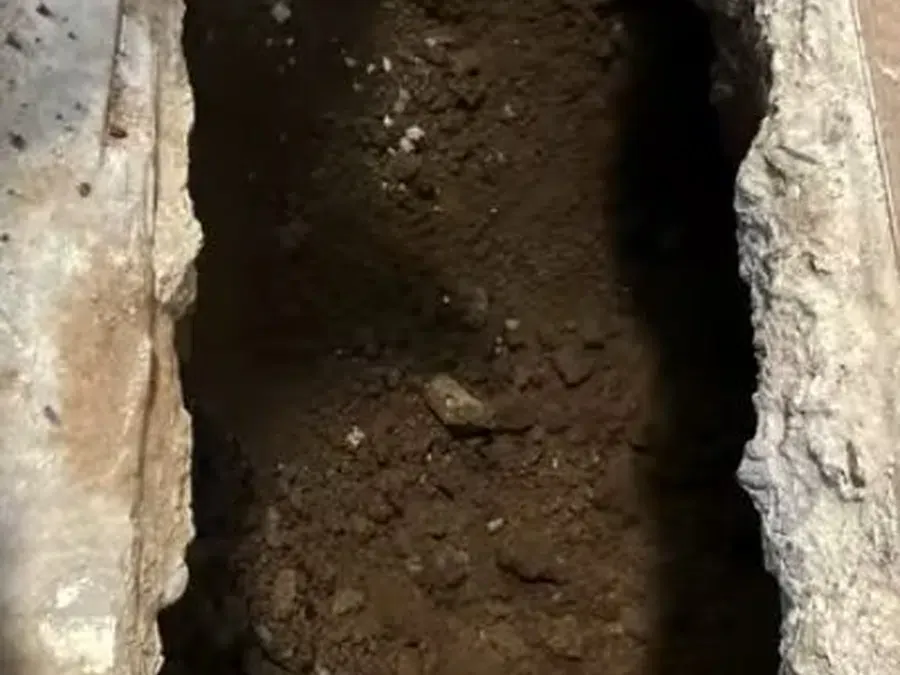
Soil that holds water, shifts or hides rock changes how deep and how carefully a trench is dug, and where a buried pipe may settle or crack. We found no published soil survey for Benson that we could rely on for this page, so we make no statement about local soil. What applies everywhere: call Arizona 811 before digging, and ask the plumber what the trench showed and whether rain affects the work.
Slab, crawlspace or basement: what changes for leaks and access?
A slab foundation puts pipes in or under concrete, so a leak may need detection equipment and a floor opening or a reroute. A crawlspace lets a plumber reach pipes from below, and a basement exposes pipes overhead. We did not find a source for the dominant foundation type in Benson, so ask the plumber to confirm what your house sits on and where the lines run before any quote is given.
Question not answered here?
Call the dispatch line and ask. The dispatcher answers what can be answered on the phone and sends one of our plumbers when a visit makes sense.
Call (520) 340-7175 Contact details